
Leave No Trace: How to Protect Marine Life While Boating and Paddling
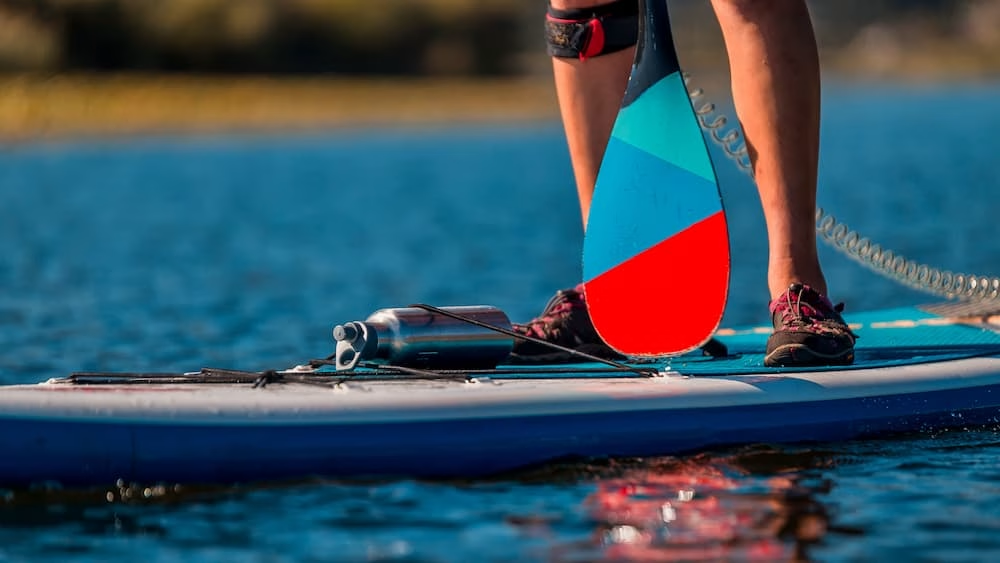
- Over 450 acres of coastal wilderness and protected habitats comprise Deering Estate.
- Avoid shallow waters and elevate motors to protect fragile seagrass habitats from propeller scarring.
- Maintain a distance of at least fifty yards from manatees and other coastal wildlife.
- Secure all trash and discarded fishing line on board to protect sea turtles and birds.
Practicing Leave No Trace on the water means minimizing our physical impact on underwater habitats, respecting marine animals, and ensuring no debris remains in aquatic ecosystems. As guardians of coastal Biscayne Bay, we at Deering Estate work to preserve coastal wilderness through environmental stewardship and community education. Whether navigating local waterways in a motorboat or joining us for a guided kayak adventure out to Chicken Key, applying sustainable boating habits keeps our fragile marine environment vibrant and healthy.
Protecting Shallow Seagrass Beds
We protect seagrass beds by navigating deep marked channels and lifting motors or paddles in shallow coastal waters. Seagrass meadows serve as vital nursery grounds for native fish, blue crabs, and sea turtles while filtering water across Biscayne Bay. Boat propellers running through shallow flats slice deep trenches into the seabed, creating prop scars that destroy delicate root structures. These scars can take up to ten years to naturally recover, during which time tidal currents expand the erosion. When navigating near sensitive shallow flats, monitor water depth continuously, tilt engines upward, and drift or paddle carefully to avoid scraping the bay floor.
Respecting Manatees and Marine Wildlife
Maintaining a distance of at least fifty yards allows manatees and other marine wildlife to swim, feed, and surface naturally without unnecessary stress or physical danger. Florida manatees move through coastal bay waters and canal systems, surfacing frequently to breathe. Because these gentle marine mammals are slow swimmers, watercraft strikes remain a major threat to their survival. Obey all posted slow speed and no wake zones, keep a watchful eye on the surface of the water, and never offer food or fresh water to wild manatees. When paddling a kayak or paddleboard, observe animals passively from a safe distance and refrain from encircling or pursuing them.
Managing Waste and Marine Debris
Securing all personal items and packing out garbage eliminates deadly hazards for sea turtles and coastal birds. Plastic bags, food wrappers, monofilament fishing lines, and small bottle caps pose severe dangers to aquatic life. Sea turtles frequently mistake floating plastic bags for jellyfish, which leads to fatal digestive blockages. Coastal birds nesting on offshore mangrove islands like Chicken Key easily become entangled in discarded fishing lines and plastic debris. Always keep trash secured in closed containers on board, clean up gear thoroughly at launch sites, and pick up any floating litter you encounter while out on the water.
Joining the Mission for Sustainable Waters
Responsible boating and paddling preserve Biscayne Bay for visitors and native wildlife alike. Through our guided kayak tours, clear kayak sunrise paddles, Sunrise Photography Sessions, and coastal conservation programs, we aim to inspire environmental stewardship across South Florida. Explore our water programs through Deering Estate to learn more about eco-friendly paddling and help protect our shared coastal heritage. Start planning your visit today.
Image credit: // Shutterstock // True Pixel Art